by
Anna Kowalska
,
The Open Kitchen: Stage or Workplace?
Removing a wall between kitchen and dining room is not the same as designing an open kitchen. One is demolition; the other is choreography. The difference is everything.
There is a recurring tension in the design of restaurants between the kitchen as workplace and the kitchen as spectacle. For most of the 20th century, the two were kept firmly separate. The kitchen was hidden behind a swing door because what happened there — the heat, the noise, the controlled chaos — was considered incompatible with the dining experience.
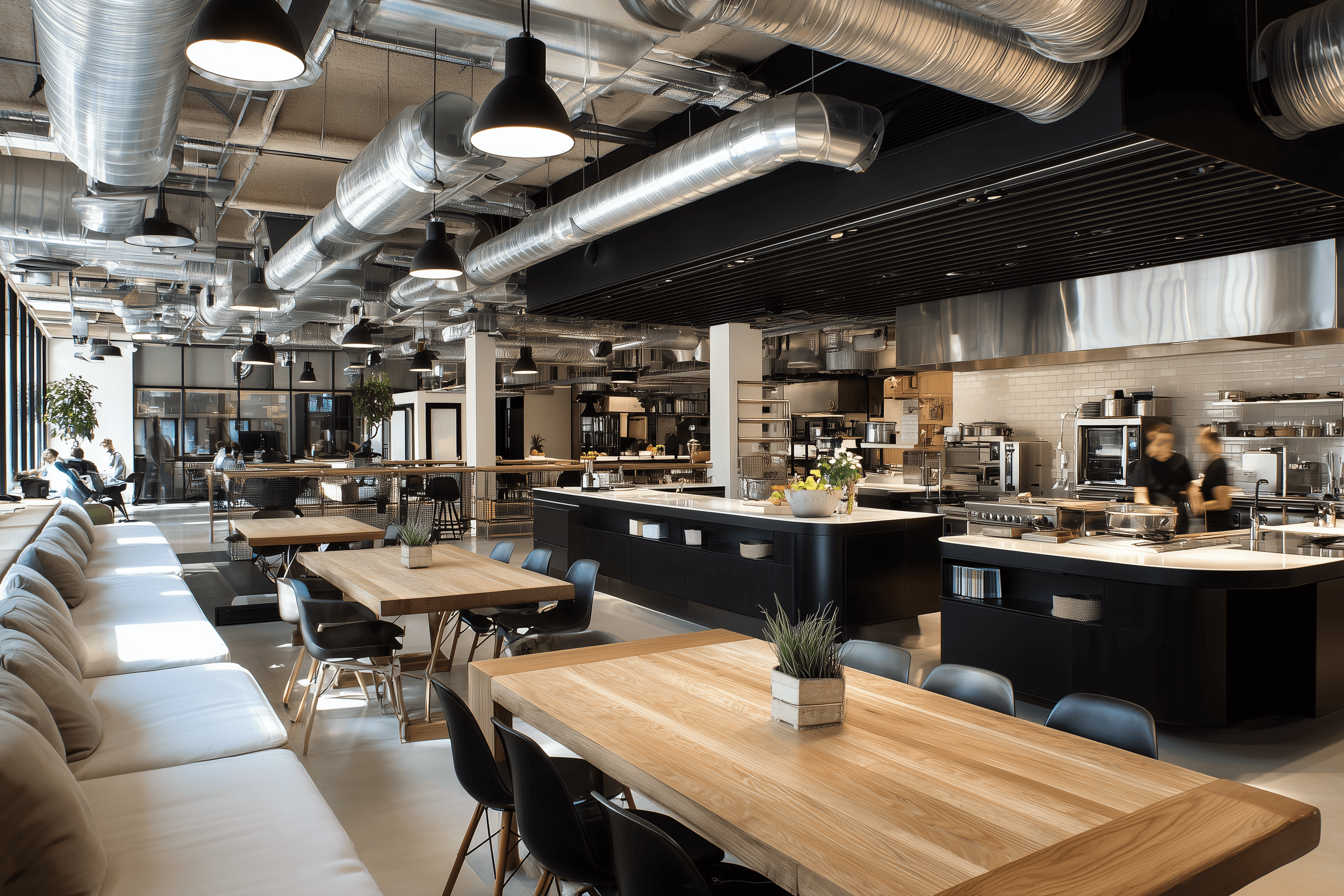
The open kitchen changed this, and the best open kitchens do something more than just removing a wall. They choreograph the relationship between preparation and consumption. The counter becomes a stage. The cooking becomes part of what you're paying for.
At Tavola in Milan, the kitchen counter is the room's spine. Sitting at it is the premium experience — not a compromise or an overflow option, but the place you'd choose. You see the pasta being cut, the wood fire being tended, the dishes being assembled. The food arrives with the memory of its making still attached.
This works because the kitchen design takes it seriously. The sightlines are considered. The workflow is arranged so that the parts worth watching are visible and the parts that aren't are not. The cooks know they're being observed and have made peace with it. The result is a dining experience that no amount of atmospheric lighting in a closed-kitchen restaurant can replicate.
Mon–Fri 10:00–18:00