by
Piotr Nowak
,
Layers of Light
Good lighting design is nearly invisible — you feel it rather than see it. Most interiors get this wrong by treating light as a single decision rather than a layered system.
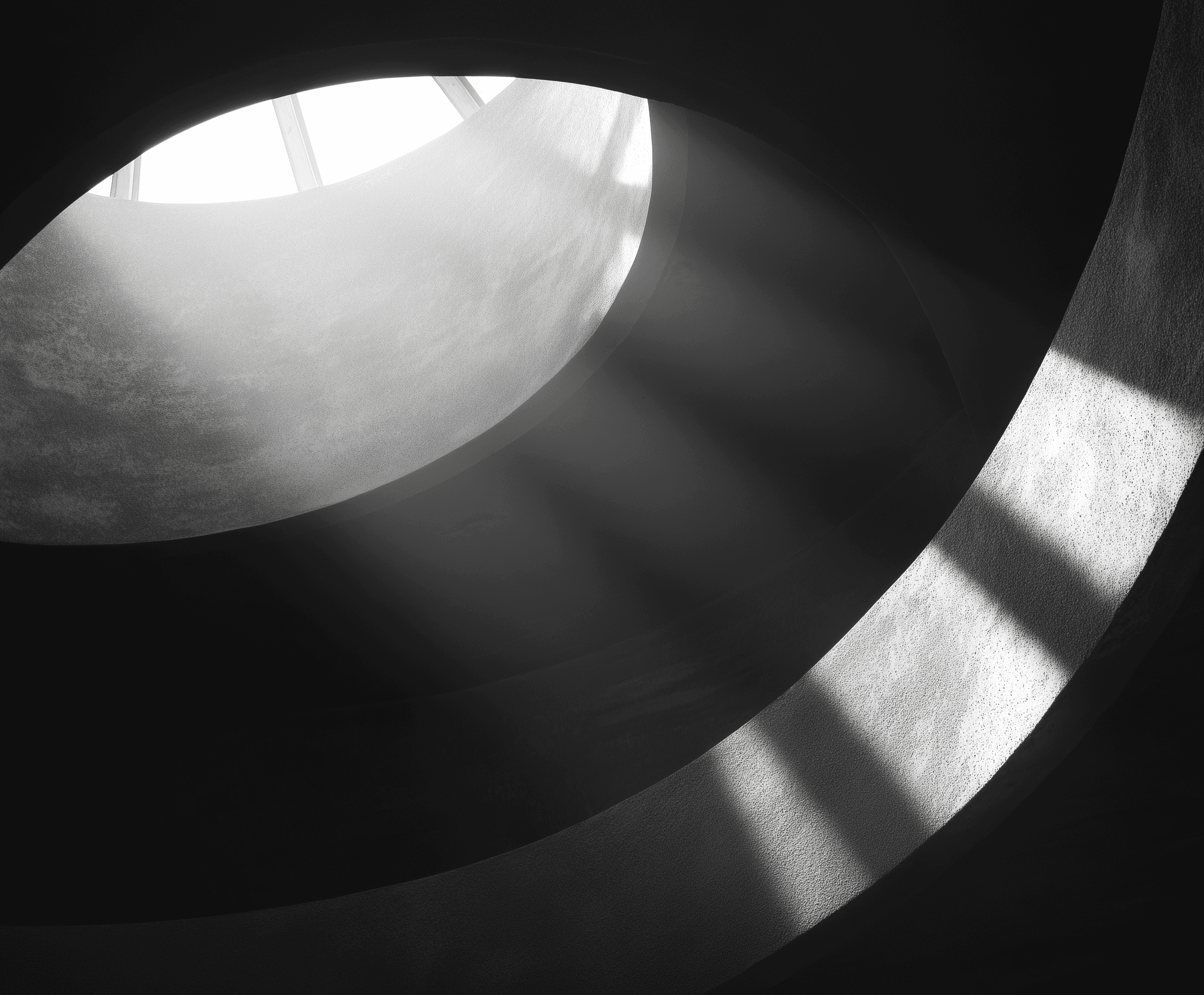
There is a hierarchy of light in well-designed interiors that most people feel without being able to articulate. At the top is natural light — variable, directional, connected to the time of day and the state of the weather. Below that is ambient artificial light, which sets the general level of illumination. Below that are accent and task layers: the reading lamp, the picture light, the lit shelf.
Many interiors are designed with only one or two of these layers, and the result is a space that feels either clinical or gloomy depending on which layers are present. The clinical space has plenty of ambient light and nothing else. The gloomy space has a single pendant in the centre of the room. Both are failures of the same kind: a failure to understand that light is not just about visibility but about atmosphere, hierarchy, and time.
The best lighting design is almost invisible. You notice that a room feels good — warm in the evening, clear in the morning, different at midday — without being able to identify why. The sources are varied and distributed. No single fitting dominates. The switches give you genuine control over the mood rather than just the level.
This is not an expensive brief. It is mostly a question of attention, installed in the early design stages rather than added as an afterthought when the walls are already closed.
Mon–Fri 10:00–18:00